By IDSE News Staff
Blueberries might be a superfood, but these and other berries can also be chock-full of hepatitis A. Several multistate outbreaks of hepatitis A virus (HAV) infection have been linked to fresh and frozen berries, but finding which ones could lead to human infections is a difficult task, according to a presentation at ASM Microbe 2024, held in Atlanta.
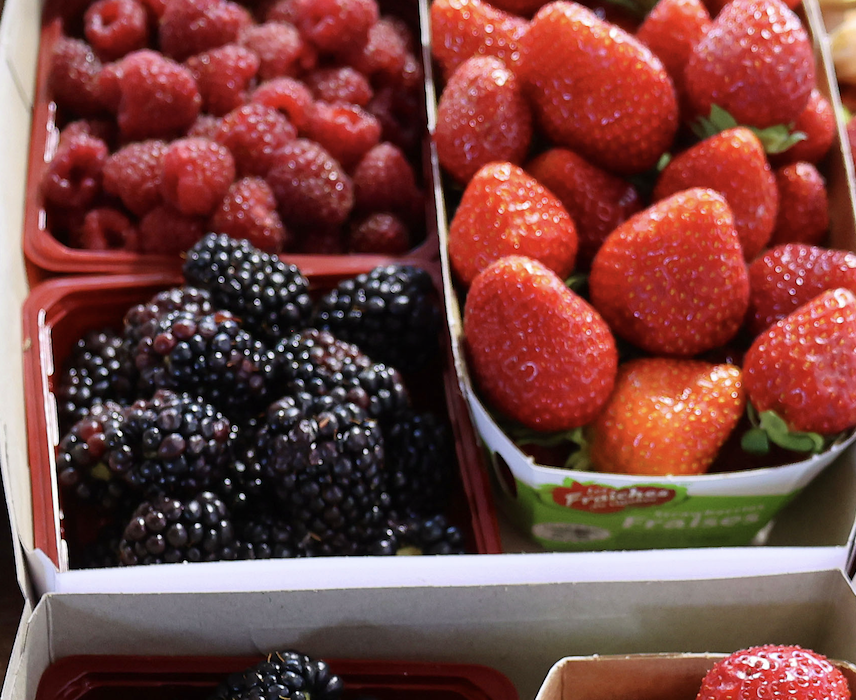
Although the FDA conducts microbiological surveillance, the current methods of detection are lengthy, labor-intensive and costly. The agency tested frozen berries from 2019 to 2023 and found nine frozen berry samples that were positive for HAV (n=1,513) and recalled the products, even though no cases of illness associated with those contaminated products were reported.
HAV found in food typically cannot be cultured, and nonclinical samples often indicate a low viral concentration, according to Mathilde Trudel-Ferland, PhD, a scientist in the Department of Animal and Food Sciences at the University of Delaware, who added standardized methods are needed to not only limit the number of foodborne illnesses but reduce food waste, and the economic consequences of that waste.
Two methods are typically used: the International Organization Standard (ISO 15216-2:2019) and the FDA Bacteriological Analytical Manual chapter 26 method (BAM 26). Dr. Trudel-Ferland and her group compared the two methods. Preliminary results showed that at low viral concentration, HAV was detected in two out of three frozen strawberry samples with the ISO 15216-2:2019, but the BAM 26 detected three out of three positive samples.
Although detection at low concentrations is promising, these tests are qualitative, so a conclusion needs a larger number of samples, she said. In addition, these methods may take more than a day to analyze. The ISO method is lengthy and labor-intensive, and BAM 26 is expensive and not available at all laboratories, she said, making them less suited to routine surveillance.
In other research, Dr. Trudel-Ferland has been looking at an automated nucleic acid extraction platform to detect HAV (Int J Food Microbiol 2024;416[2]:11064).
“This project provides critical insight into the importance of choosing the right method for virus detection in berries. As food recalls associated with viral contamination increase so do economic consequences, and the presence of infectious viruses still cannot be confirmed; the use of robust detection methods that can be used routinely is necessary to limit the number of foodborne illnesses, while reducing food waste,” Dr. Trudel-Ferland wrote in her abstract.