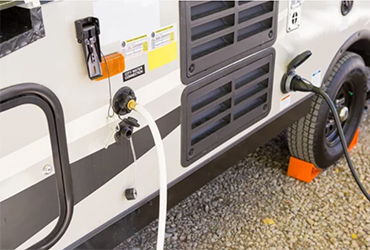
A fatal case of primary amebic meningoencephalitis (PAM) was likely caused by nasal irrigation using improperly disinfected water from a recreational vehicle (RV) at a campground in Texas.
Infection from Naegleria fowleri, which is often called the “brain-eating ameba,” causes PAM, a rare, nearly always fatal brain infection, for which there are currently very few treatment options available (MMWR Morb Mortal Wkly Rep 2025;74[19]:334-335).
“This case reinforces the risk of severe illness and death associated with using inadequately disinfected water for nasal rinsing and how important maintaining water quality is to human health,” said report author Julia Haston, MD, a medical epidemiologist and N. fowleri expert in the CDC’s Division of Foodborne, Waterborne, and Environmental Diseases.
Don’t Use Tap Water for Nasal Irrigation
The previously healthy 71-year-old woman developed severe neurologic symptoms four days after using a nasal irrigation device that was filled using tap water from an RV’s water system at a campground. Despite treatment for a suspected PAM infection, the woman died eight days after onset of symptoms.
Following the individual’s death, CDC testing confirmed N. fowleri in her cerebrospinal fluid.
“This is the first documented instance of a death from Naegleria fowleri (brain-eating ameba) linked to nasal rinsing with inadequately disinfected water from an RV,” Dr. Haston said. “RV users can avoid deadly germs by making sure water coming into their RVs is safe to drink, by keeping RV water systems clean and by using water from RVs safely.”
Environmental testing was conducted on 12 samples from sources, including the individual’s nasal irrigation squirt bottle, the RV’s potable water tank and the campsite’s municipal water supply where the RV was connected. All were negative for N. fowleri. However, the investigators noted this may have been because sampling occurred 23 days after the patient used the water for nasal irrigation, or that pathogen levels may have been below the detection limit. Although the ameba was not found, it was noted that the water was not inadequately disinfected.
“Additional research is needed to develop effective methods to prevent and reduce fatalities from this deadly ameba,” Dr. Haston said. “Further research is also needed to better understand the risk factors for waterborne infections associated with RV water systems.”
Dr. Haston reported no relevant financial disclosures.