By Marie Rosenthal, MS
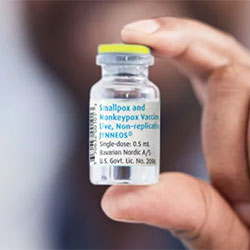
Mpox vaccine (Jynneos, modified vaccinia Ankara-Bavarian Nordic [MVA-BN]) in adolescents was safe and generated an antibody response equivalent to that seen in adults, according to interim study results presented at IDWeek 2024, in Los Angeles (abstract 7056).
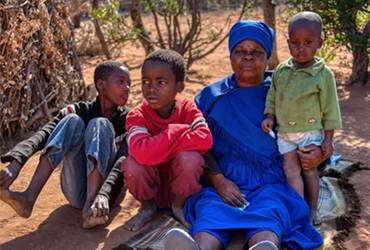
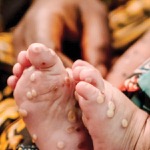
The modified vaccinia vaccine is licensed in the United States to prevent smallpox and mpox in people older than 18. For those younger than 18, it is only available under an emergency use authorization. Yet, many children have been affected by the most recent mpox outbreak, which started in the Democratic Republic of the Congo (DRC): Children 15 and younger account for 70% of cases and 88% of deaths, according to C. Mary Healy, MD, an associate professor of pediatrics infectious diseases at Baylor College of Medicine and Texas Children’s Hospital, in Houston, who presented the results. Therefore, it is important to study the vaccine in younger groups to address the need in the DRC.
The researchers performed a phase 2, open-label clinical trial across multiple U.S. sites that administered two doses of the vaccine in 315 adolescents who are 12 to 17 years old and 211 adults 18 to 50 years old. Researchers evaluated the safety and efficacy of the vaccine and found that reactions to the vaccine and levels of antibodies after vaccination were similar between both groups.
“The results were really very exciting,” Dr. Healy said. “We found that vaccine reactions and side effects such as localized pain, redness, fever—the kind of things you find with any other vaccine—were similar in adolescents as to adults, and there were no safety signals six months out after the last dose of the vaccine.
“Also really excitingly, the immune responses to this vaccine were at least as good in adolescents and maybe even a little better than it is in adults.”
Adolescents are among the population groups affected by mpox in the current clade I mpox outbreak.
The first human case of mpox was recorded in 1970 in the DRC. Two types of the virus that cause mpox have been identified. Clade I is endemic in Central Africa and can cause severe illness. Clade II, endemic in West Africa, caused the global mpox outbreak that began in 2022 and tends to result in milder illness. People with compromised immune systems, children and those who are pregnant are especially vulnerable to severe mpox regardless of the clade.
“So these are really very exciting results because they opened the stage to possibly using this vaccine more widely on the global stage,” Dr. Healy explained during a press briefing, sponsored by the Infectious Diseases Society of America.
The National Institute of Allergy and Infectious Diseases is sponsoring the U.S. study to evaluate the safety and immune response generated by two doses of MVA-BN in adolescents aged 12 to 17 years, comparing outcomes with those in adults aged 18 to 50 years. In a planned interim analysis, study investigators measured antibody levels two weeks after the second dose (study day 43) and monitored safety through 180 days after the second dose (study day 210). The analysis showed that the MVA-BN vaccine generated antibody levels in adolescents equivalent to those observed in adults at day 43 and found that the vaccine was well tolerated through study day 210.
The overall frequency of adverse events was comparable between the study groups. Reports of dizziness were more common in adolescents than adults, but similar to the frequency of dizziness reported when other vaccines are administered in adolescents.
According to the study team, the interim data support the safety and quality of the immune response generated by the MVA-BN vaccine in adolescents, findings relevant to the United States and other areas where mpox cases have occurred. The authors underscored the need to evaluate the MVA-BN vaccine in younger children to extend the evidence base to all people affected by mpox.
“We think that vaccination will be an important next step in controlling the ongoing spread of mpox, particularly in areas like that [the DRC],” added C. Buddy Creech, MD, MPH, the director of the vaccine research program at Vanderbilt University Medical Center, in Nashville, Tenn., who was also part of the study.
“According to the most recent WHO data, since just the start of 2024, the DRC alone has reported more than 30,000 cases and 900 deaths, some of those in those less than 18 years of age,” he said. “The important part of this work is that by establishing the safety and the immune response to this vaccine in a group that up until now did not have licensure to receive the vaccine, this is a really important step as we protect the most vulnerable among us.”
He said Bavarian has submitted the results to the European Medicines Agency for a new indication to use in those who are 12 to 17 years old.
Dr. Creech added that an open-label study in younger children, those 14 months to 11 years old, is also being conducted. “We have no reason to think that either the safety or the immune response would be substantively different, and the work that we’ve shown in adolescents supports that,” he said.
Dr. Creech admitted the studies have been “traditional and conservative” because children are such a vulnerable population, but there is also a sense of urgency.
“I think this current outbreak highlights the need to sometimes rethink that [approach]. I think we also have to recognize that there are other manufacturers who also have early-phase clinical development of vaccines that may be able to add to the arsenal of tools that we have.
“It may be that we can’t vaccinate all that we need to with just one product. So I think we’re still very early in this story. It’s still being written. But what we do know is that we can at least get teenagers vaccinated in a much more confident way than we could before,” Dr. Creech said.
Dr. Creech admitted the study was small, and more serious adverse events might become apparent once they begin vaccinating a wide range of children. “Very few clinical trials can ever be powered sufficiently to detect exceedingly rare events. And maybe a good example of that is the unquestionable increase and association that we saw between mRNA COVID-19 vaccines and myocarditis in young men. Even in clinical trials of tens of thousands of individuals, we would not see those events.
“I think it’s really important to recognize that what we’re really doing when we establish safety is that we’re asking questions about tolerability, and we’re using tolerability as a surrogate for whether or not there would be a prediction of a higher than typical side effect profile to more significant issues,” he explained.
They do this by evaluating issues such as arm pain, fever and the inflammatory response. “If that’s out of proportion to what we see with typical vaccines or out of proportion with the specific vaccine in another population, then that gives us pause, and we may end up increasing the sample size or evaluating it in some ways differently.
“And so even with 300 individuals, we can make really good inferences on the overall prevalence of those types of adverse events,” he said.