

By Marie Rosenthal, MS
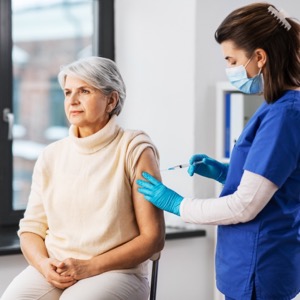
The Advisory Committee on Immunization Practices (ACIP) voted unanimously to recommend pneumococcal 21-valent conjugate vaccine (PCV21; Capvaxive, Merck) as an option for adults 65 years of age and older, as well as adults 19 and older with certain chronic conditions.
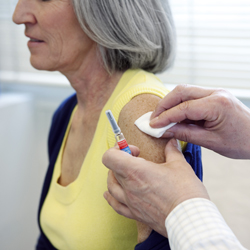
Specifically, the ACIP voted to recommend a single dose of PCV21 for:
- adults 65 years of age and older who have not received a pneumococcal conjugate vaccine or whose previous vaccination history is unknown;
- adults 19 to 64 years of age with certain underlying medical conditions or other risk factors who have not previously received a pneumococcal conjugate vaccine or whose previous vaccination history is unknown; and
- adults 19 years of age and older who have started their pneumococcal vaccine series with pneumococcal 13-valent conjugate vaccine (PCV13) but have not received all recommended pneumococcal 23-valent polysaccharide vaccine (PPSV23) doses.
PCV21 contains 21 serotypes of Streptococcus pneumoniae that cause invasive disease and pneumonia. Although some serotypes are similar, there are also several differences among all the vaccines, according to Jamie Loehr, MD, the chair of the ACIP pneumococcal vaccine work group and owner of Cayuga Family Medicine, in Ithaca, N.Y.
“Unlike PCV15 and PCV20, which were incremental changes to PCV13, PCV21 does not equal PCV20 plus one new serotype,” Dr. Loehr said. “Specifically, PCV21 has several serotypes that are not in PCV15 and PCV20 … and PCV21 is missing several serotypes that are in PCV15 and PCV20.”
PCV21 covers 81% of the serotypes that commonly cause disease in adults, however, he added.
Because of the differences, some physicians might recommend a supplemental dose of Capvaxive for people who completed their pneumococcal vaccine series with another pneumococcal vaccine. Therefore, the ACIP said adults 65 and older who complete their series with an earlier vaccine might receive this vaccine after talking to their physician.
There was a long discussion about whether so many different pneumococcal vaccine choices were necessary, but Matthew Clark, MD, FAAP, FACP, a physician and the chair of the Indian Health Service National Pharmacy & Therapeutics Committee, said the choices were important for certain populations because they contain so many different serotypes.
For instance, the Indian Health Service supports the implementation of PCV21, but also wants to “retain the other tools in our tool box to mitigate the risk of invasive pneumococcal disease in tribal communities,” Dr. Clark said.
“Pneumococcal vaccines obviously have been a powerful tool to prevent disease and reduce health disparities in American Indian/Alaska Native populations. However, the burden of invasive pneumococcal disease remains two to four times higher among American Indian and Alaska Native adults compared with the general U.S. population.”
This is primarily due to serotypes that are not in current vaccines. One such serotype that is becoming important is serotype 4, which has “emerged as a substantial contribution to invasive pneumococcal disease in adults and adults in Alaska and in the Navajo Nation,” but that is only covered by PCV20, he explained.
“Neither PCV20 nor PCV21 is perfectly matched to protect against the currently circulating serotypes in tribal communities, but where data are available, clinicians serving American Indian and Alaska Native patients may be able to tailor their vaccine recommendations to the local epidemiology,” Dr. Clark said.