





In several past articles in this publication, I have reviewed the profound changes in recent years in the laboratory diagnosis of respiratory infections.1-3 These advances have been driven largely by nucleic acid amplification technology, both the underlying biochemistry and the associated automation and engineering. Many of these trends preceded the emergence of the SARS-CoV-2 virus in 2019, although the pandemic certainly has hastened (and magnified) the overall paradigm shift, with lessons that now resonate throughout infectious disease testing.1
Perhaps foremost among these trends is the proverbial “need for speed” when diagnosing acute respiratory infections (ARIs), to maximize the ability of a microbiological result to alter the course of patient management.2 Accordingly, the field of clinical microbiology has experienced a massive proliferation of rapid diagnostic tests (RDTs) entering the commercial market, with rapid nucleic acid-based technologies now complementing more traditional antigen assays.3 These tests facilitate ad hoc testing of individual patients with high combined sensitivity and specificity—combining nucleic acid extraction, amplification, and detection in a hands-free manner—with sample-to-result capabilities in 1 to 2 hours (or less). Critically, they include platforms intended for both traditional in-lab testing, as well as (increasingly) point-of-care diagnostics that can be conducted by providers at the bedside or in the clinic.
Although these recent IDSE reviews have covered diverse ground, they still have not addressed all the myriad ways in which respiratory testing continues to evolve. Indeed, the breadth of this topic is a testament to the technology itself, the dynamic reality of infectious disease epidemiology, and various epiphenomena inherent to the practice of modern health care (including financial and regulatory factors). Therefore, the present article seeks to expand on additional topical issues in ARI diagnostics. Whereas the previous reviews focused primarily on upper respiratory tract infections (URIs) and viral etiologies, this article delves into nonviral pathogens and lower respiratory tract infections (LRIs). Together with an update on FDA-cleared in vitro diagnostics (IVDs)—commercial assays that can be implemented locally by individual laboratories for in-house testing—I discuss several remaining challenges in ARI diagnostics, as well as potential new opportunities for testing based on next-generation nucleic acid sequencing. The latter technology has undergone significant research-and-development efforts in recent years, to achieve target-agnostic identification of LRI agents. Overall, in complementing the previous reviews, this article seeks to provide a high-level overview of the new world of ARI testing in which we already reside.
Not too narrow, not too broad … regardless of the setting. One key message of the preceding review on molecular RDTs was the prominent trend toward multiplexing, in particular with assays based on the real-time polymerase chain reaction (qPCR).4,5 This phenomenon is a combined function of the technologies themselves and the corresponding clinical needs for URIs. Methodologically, many nucleic acid amplification tests (NAATs) use fluorescence-based readouts for pathogen-associated amplicons, such that multiple fluorophore colors (and thus targets) can be included in a single reaction.6 Moreover, although diverse pathogens can elicit URIs, viruses that entail their own specific management plans (beyond supportive care) are more limited, at least for nonsevere outpatient cases. Notably, these viruses include SARS-CoV-2, influenza A/B, and (in small children and the elderly) respiratory syncytial virus (RSV). The circumscribed scope of these “most actionable” viruses overlaps with the routine capabilities of small-scale fluorescence multiplexing, leading to various RDTs that offer a combination of these targets. For convenience, a table (Table 1) is presented again here from the previous IDSE review,3 summarizing current assays in the United States (with expanded/updated information pertinent to the current article).

At the same time, this multiplexing trend goes beyond the RDT context, as recent years have likewise witnessed tremendous growth in the role of large-scale platforms for batched molecular respiratory testing in central laboratory settings.7,8 As with the benchtop automation of RDTs, these platforms leverage hands-free microfluidic liquid handling on a far larger scale, allowing healthcare institutions or reference laboratories to process the vast quantity (hundreds/thousands) of nasal/nasopharyngeal specimens received daily for molecular testing, in a sample-to-result capacity. While they cannot establish diagnosis as quickly as RDTs—driven largely by specimen transit times to the laboratory—these platforms serve an important complementary role when ultra-rapid data are not as critical (or when practical considerations limit the availability of RDTs at a given location), maximizing turnaround times in light of massive testing volume.
| Table 1. Molecular RDTs for Diagnosing Upper Respiratory Pathogens This table summarizes – across platforms and assays – molecular RDTs that have both [i] been granted in vitro diagnostic (IVD) status in the United States by the Food and Drug Administration and [ii] are currently on the market for clinical use (or are imminently coming to the market), to the author’s knowledge. Platforms/assays are organized based on current manufacturers. Moreover, each assay is classified by several parameters that include its extent of multiplexing (highly multiplexed, limited multiplex, or monoplex), its nucleic acid amplification chemistry, and whether or not it is classified as waived complexity (this facilitating POC use). For assays that include SARS-CoV-2 as a target, this table includes both tests that were granted IVD status under traditional type II/510(k) pathways, as well as assays that remain under Emergency Use Authorization in response to the pandemic. For the majority of these assays, the relevant specimen represents a nasal and/or nasopharyngeal swab, although tests that include Streptococcus as a target entail oropharyngeal swabs. | |||||
| Platform | Assay(s) | Coverage | Targets | NAAT method | CLIA status |
|---|---|---|---|---|---|
| Abbott ID Now | Influenza A/B 2 | Limited multiplex | Influenza A/B | NEAR | Waived |
| SARS-CoV-2 | Monoplex | SARS-CoV-2 | |||
| RSV | Monoplex | RSV | |||
| Strep A 2 | Monoplex | Streptococcus pyogenes (GAS) | |||
| BioMérieux/BioFire SpotFirea | SPOTFIRE R | Highly multiplex | SARS-CoV-2, influenza A (including subtypes) and B, RSV, rhinovirus/enterovirus, human metapneumovirus, parainfluenza, adenovirus, seasonal coronavirus, Bordetella pertussis, B. parapertussis, Chlamydia pneumoniae, Mycoplasma pneumoniae | PCR (nested) | Waived |
| SPOTFIRE R/ST | Same as above, plus S. pyogenes (GAS) and S. dysgalactiae (group C/G Streptococcus [GCGS]) | ||||
| SPOTFIRE R Mini | Limited multiplex | SARS-CoV-2, influenza A/B, RSV, rhinovirus | |||
| SPOTFIRE R/ST Mini | Same as above, plus S. pyogenes (GAS) | Non-waived (at present) | |||
| BioMérieux/BioFire FilmArray | Pneumonia/Pneumonia Plusb | Highly multiplex | Virus: Influenza A (no subtypes), influenza B, RSV, rhinovirus/enterovirus, human metapneumovirus, parainfluenza (pan), adenovirus, seasonal coronavirus (pan, not SARS-CoV-2) MERS (Plus panel only) Bacteria: (semi-quantitative): Acinetobacter calcoaceticus-baumannii complex, Enterobacter cloacae complex, Escherichia coli, Haemophilus influenzae, Klebsiella aerogenes, Klebsiella oxytoca, Klebsiella pneumoniae group, Moraxella catarrhalis, Proteus spp., Pseudomonas aeruginosa, Serratia marcescens, Staphylococcus aureus, Streptococcus agalactiae, Streptococcus pneumoniae, Streptococcus pyogenes AMR Genes: IMP, KPC, NDM, OXA-48-like, VIM (gram-negative carbapenemases); CTX-M (gram-negative ESBL); mecA/C, MREJ (MRSA) Atypical Bacteria: C. pneumoniae, M. pneumoniae, L. pneumophila | PCR (nested) | Non-waived |
| Cepheid Xpert Xpress | CoV-2/Flu/RSV plus | Limited multiplex | SARS-CoV-2, influenza A/B, RSV | qPCR | Waived |
| Flu | Influenza A/B | ||||
| CoV-2 plus | Monoplex | SARS-CoV-2 | |||
| Strep A | S. pyogenes (GAS) | ||||
| Diasorin/Luminex LIAISON PLEXc | Respiratory Flex Assay | Highly multiplex | SARS-CoV-2, influenza A (including subtypes) and B, | PCR | Non-waived |
| Diasorin/Luminex MDX | Simplexa Bordetella Direct | Limited multiplex | B. pertussis and B. parapertussis | qPCR | Non-waived |
| Simplexa FluA/B & RSV Direct | Influenza A, influenza B, RSV | ||||
| Simplexa COVID-19 & FluA/B Direct | SARS-CoV-2, influenza A, influenza B | ||||
| Diasorin/Luminex MDX | Simplexa COVID-19 Direct | Monoplex | SARS-CoV-2 | qPCR | Non-waived |
| Simplexa Group A Strep Direct | S. pyogenes (GAS) | ||||
| Meridian Bioscience Alethia | Mycoplasma Direct | Monoplex | M. pneumoniae | LAMP | Non-waived |
| Pertussis | B. pertussis | ||||
| Group A Streptococcus | S. pyogenes (GAS) | ||||
| Meridian Bioscience Revogene | SARS-CoV-2 | Monoplex | SARS-CoV-2 | qPCR | Non-waived |
| Strep A | S. pyogenes (GAS) | ||||
| Qiagen QIAstat-Dx | Respiratory Panel Plus | Highly multiplex | SARS-CoV-2, influenza A (including subtypes) and B, RSV, rhinovirus/enterovirus, human metapneumovirus, parainfluenza (1-4), adenovirus, seasonal coronavirus (229E, HKU1, NL63, OC43), B. pertussis, C. pneumoniae, M. pneumoniae | qPCR | Non-waived |
| Respiratory Panel Mini | Limited multiplex | SARS-CoV-2, influenza A, influenza B, RSV, rhinovirus | |||
| QuidelOrtho Solana | Influenza A+B Assay | Limited multiplex | Influenza A/B | HDA | Non-waived |
| RSV + hMPV Assay | RSV and human metapneumovirus | ||||
| Bordetella Assay | B. pertussis and B. parapertussis | ||||
| Strep Complete Assay | S. pyogenes (GAS) and S. dysgalactiae (GCGS) | ||||
| SARS-CoV-2 Assay | Monoplex | SARS-CoV-2 | |||
| GAS Assay | S. pyogenes (GAS) | ||||
| Roche cobas ePlex (formerly GenMark ePlex) | Respiratory Pathogen Panel 2 | Highly multiplex | SARS-CoV-2, influenza A (including subtypes) and B, | PCR | Non-waived |
| Roche cobas liat | SARS-CoV-2, influenza A/B, and RSV | Limited multiplex | SARS-CoV-2, influenza A/B, RSV | qPCR | Waived |
| SARS-CoV-2 and influenza A/B | SARS-CoV-2 and influenza A/B | ||||
| SARS-CoV-2 | Monoplex | SARS-CoV-2 | |||
| Strep A | S. pyogenes (GAS) | ||||
| T2 Biosystems | T2SARS-CoV-2 | Monoplex | SARS-CoV-2 | PCR | Non-waived |
| Thermo Fisher Accula | Influenza A/B | Limited multiplex | Influenza A/B | PCR | Waived |
| SARS-CoV-2 | Monoplex | SARS-CoV-2 | |||
| BAL, bronchoalveolar lavage; EUA, emergency use authorization; GAS, group A Streptococcus; HDA, helicase-dependent amplification; IVD, in vitro diagnostic; LAMP, loop-mediated isothermal amplification; NEAR, nicking endonuclease amplification reaction; PCR, polymerase chain reaction; POC, point of care; qPCR, real-time PCR; RDT, rapid diagnostic test; RSV, respiratory syncytial virus. a The BioMérieux/BioFire SpotFire system received FDA 510(k) clearance in 2024. Going forward, it represents a new addition to the previously approved FilmArray RP2.1 (non-waived) and FilmArray 2.1 EZ (waived) product lines. However, the latter platforms/assays remain in common clinical use. b Unlike all the other products on this lost, the BioMérieux/BioFire Filmarray Pneumonia and Pneumonia Plus Panels are employed with lower respiratory specimens (BAL/sputum). c The Diasorin/Luminex LIAISON PLEX also received FDA 510(k) clearance in 2024. It was previously branded as the VERIGENE II platform and represents a successor to the original VERIGENE platform, which included the Respiratory Pathogen Flex Panel. Likewise, the latter platform/assay remains in clinical use. Based on reference 3. | |||||
The same multiplexing options employed by molecular RDTs are commonplace for these high-throughput instruments. Within the United States, popular IVD platforms include the Roche 6800/8800 series,9 the Abbott Alinity M,10 the BD Max,11 and the Hologic Panther-Fusion12 (Table 2). All 4 instruments use qPCR for amplification chemistry, while the Panther-Fusion likewise employs transcription-mediated amplification for some tests within its menu. In addition to monoplex assays (and various non-respiratory tests), all the systems include combination assays for SARS-CoV-2, influenza, and/or RSV (as summarized in the expanded Table). The Roche and Hologic platforms also include IVD 3/4-plex qPCR assays for viral combinations that include metapneumovirus, adenovirus, rhinovirus/enterovirus, and the various parainfluenza types (1-4), for more specialized circumstances in which an explicit microbiological diagnosis is valuable.
| Table 2. High-Throughput/Automated Molecular Upper Respiratory Assays This table summarizes high-throughput nucleic acid amplification platforms with assays for URI viral testing (in-lab) that carry IVD status in the United States. | ||||
| Platform | Assay(s) | Coverage | Targets | NAAT Method |
|---|---|---|---|---|
| Roche 6800/800 | SARS-Co-2 & Influenza A/B | Limited multiplex | SARS-CoV-2, influenza A/B | qPCR |
| SARS-CoV-2 | Monoplex | SARS-CoV-2 | ||
| Abbott Alinity M | RESP-4-Plex | Limited multiplex | SARS-CoV-2, influenza A/B, RSV | qPCR |
| SARS-CoV-2 | Monoplex | SARS-CoV-2 | ||
| BD Max | BD Respiratory Viral Panel | Limited multiplex | SARS-COV-2, influenza A/B | qPCR |
| SARS-CoV-2 | Monoplex | SARS-CoV-2 | ||
| Hologic Panther-Fusion | Fusion SARS-CoV-2/FluA/B/RSSV | Limited multiplex | SARS-CoV-2, influenza A/B, RSV | qPCR |
| Fusion FluA/B/RSSV | Influenza A/B, RSV | |||
| Fusion AdV/hMPV/RV | Adenovirus, metapneumovirus, RSV | |||
| Fusion Paraflu | Limited multiplex | Parainfluenza (1-4) | ||
| Fusion SARS-CoV-2 | Monoplex | SARS-CoV-2 | ||
| Aptima SARS-CoV-2 | SARS-CoV-2 | TMA | ||
Throughout the past decade, of course, the paradigm of multiplex NAATs has expanded even further through the growth of syndromic respiratory panels, in which a dozen (or more) targets are detected simultaneously by PCR within a single nasopharyngeal specimen.13 For these technologies, additional spatial discrimination of the numerous amplicons is required to surpass the limits of multiplexing from different fluorophore colors. These platforms include the BioMérieux (Biofire) FilmArray,14,15 the Roche (GenMark) cobas ePlex,16 the Diasorin (Luminex) Liaison Plex,17 and the Qiagen QIastat-DX18 (Table 1). Importantly, all these systems are designed with random-access RDT capabilities and, in the case of the FilmArray, include respiratory assays with Clinical and Laboratory Improvement Amendments (CLIA)-waived status for point-of-care use. Although the targets of these syndromic respiratory panels were summarized in the previous review, several points merit further discussion here as to how this coverage has evolved recently. In fact, this evolution includes trends that seemingly have progressed in multiple divergent directions.
On one hand, the most recent FilmArray panels to receive FDA clearance (the SpotFire line) include assays (the R/ST [respiratory/sore throat] panels) that expand targets even further to include the common bacterial agents Streptococcus pyogenes (group A strep) and Streptococcus dysgalactiae (group C/G strep).19 This panel reflects the fact that, especially in children, the clinical presentation of streptococcal pharyngitis can overlap substantially with viral URI etiologies. It likewise harnesses the greater sensitivity of molecular RDTs for streptococcal pharyngitis—and thus the ability to rule out infection—versus traditional rapid antigen assays. One practical difference of these expanded R/ST panels, versus previous FilmArray assays, is the need for a throat swab as the requisite specimen, as opposed to a nasopharyngeal swab.
In tandem with these expanded Spotfire RST assays, however, BioMérieux/Biofire recently launched their Spotfire Mini panels, which include a reduced number of reported targets—similar to the more traditional multiplex qPCR assays discussed above (including a focus on SARS-CoV-2, influenzas, and RSV [Table 1]).20 In other words, these assays intentionally cover fewer pathogens than the technology is capable of interrogating. This same approach is mirrored by the recently launched Qiagen QIAstat-DX Respiratory Mini panel,21 with 5 viral targets, as well as the Flex Assay for the Diasorin Liaison Plex.22 The latter conducts an entire syndromic panel in full but can release a subset of targets in a customized manner, per the ordering clinician.
What is the motivation for narrowing the scope of results, especially considering that a founding concept behind syndromic testing was to cast as broad a net as possible for ARIs? In part, this could be viewed through the lens of diagnostic stewardship, and the fact that (ideally) laboratory data should only be pursued if it can meaningfully inform clinical management or prognosis.23,24 As already noted, many ARI viruses do not hold specific management considerations for routine cases, so that explicit microbiological identification is unnecessary. On an eminently practical level, though, the trend also is driven by the paired reality of medical billing. For outpatient care in the United States, laboratory tests are classified/billed according to the coding terminology of Current Procedural Terminology/Healthcare Common Procedure Coding System.25 As the molecular technology has evolved, multiplex testing for respiratory pathogens is now coded according to the total number of amplified targets (or ranges thereof). Approval for reimbursement (by payors or the Centers for Medicare & Medicaid Services) is a function of these codes and the clinical circumstances of a given patient. While the details of this process are intricate, for the present discussion it suffices to say that high-order multiplexing (for respiratory and other infectious syndromes) is not reimbursable in many routine outpatient scenarios.26 Naturally, these dynamics can motivate the design of assays with maximum “orderability” in clinics, lest the patients be faced with considerable bills. This situation is further complicated for patients admitted to the hospital, for which laboratory testing is often not billable on a per-assay basis; rather, inpatient laboratory reimbursement under Medicare is subsumed under diagnosis-related groups that codify the overall care received.27
What viral information may we be missing? Although the question of which pathogens to test for in a given patient is occasionally complex, widespread molecular assays nonetheless cover all the common respiratory viruses of clinical concern. Beyond routine cases, however, a question still remains: Are there less common, but still important, respiratory viruses that current IVD assays cannot identify? This question is particularly topical because of recent reports of elevated circulation of H5N1 avian influenza among animal populations in the United States, with rarer spread into humans (67 confirmed US cases and 1 death during the current influenza season, at the time of writing).28 In the specific example of avian influenza, for instance, the ability to suspect/detect a case goes beyond the diagnosis of influenza A itself, which is possible through a large variety of assays, but in the detection of an atypical subtype (ie, non-H1/H3), there are fewer options. Although public health efforts for influenza monitoring are extensive,29 diagnostic subtyping still does not occur for most influenza-positive respiratory specimens collected from routine ARI patients seen in clinics. Among commercial IVD assays, the only PCR platforms that include H1/H3 subtype reactions are the highly multiplex syndromic panels (which, again, are not used for most outpatient encounters).
Together, these factors reinforce several key points, including the fact that (in theory) nonsevere human cases of avian influenza could be overlooked during routine outpatient practice, merely identified as influenza A not otherwise specified. But for more severe clinical cases, the possibility of an avian subtype can be assessed indirectly through a syndromic panel result that identifies influenza A without a concomitant subtyping result. In fact, for clinical laboratories that perform syndromic testing, it is standard practice to refer respiratory specimens that generate non-typeable influenza A results to state health authorities to explicitly rule out novel subtypes. A limited number of commercial reference laboratories have also validated H5 influenza A PCR assays for clinical-use testing (including ARUP, Quest, LabCorp). In general, though, definitive identification of avian influenza requires molecular diagnostics that are not available for an overwhelming majority of individual hospitals, and it hinges on providers to elevate clinically suspect cases for such testing. In fact, the CDC Health Alert Network has recommended explicitly H5 analysis for non-subtyped influenza A patients whose severity merits hospitalization (ordered as soon as possible following admission) or with suspicious animal exposures.30
The prospect of emerging zoonotic viruses is obviously of great public health concern, especially considering what the world already has experienced with SARS-CoV-2. At the same time, a similar diagnostic scenario can also arise for several established human respiratory viruses—in which the overall identification of a viral group is possible through common IVD assays, while the identification of a clade/subtype of specific concern requires esoteric testing. A notable example is enterovirus D68 (EV-D68), a serotype of the Picornaviridae genus Enterovirus, species D.31 Although most EV-D68 cases entail mild URI, severe lower respiratory disease is possible, most commonly in pediatric and asthmatic patients. Rarely, but strikingly, EV-D68 can involve the neurologic complication of acute flaccid myelitis, similar to poliovirus myelitis. While prevalence is typically low, increased periods of circulation can occur, often in summer months with a biennial pattern.32
For a general diagnostic of enteroviral ARI, the various multiplex syndromic assays include a genus-level Enterovirus target (typically reported in a combination with “rhinovirus” that, technically, falls within this genus). In a case of EV-D68, this target would appear as detected when tested with these platforms, although so too, would the numerous other Enterovirus types. A type-specific identification would require further testing of the specimen via EV-D68–specific PCR, which is only available for clinical care through public health laboratories.33 Granted, an explicit EV-D68 is not required for most mild/uncomplicated cases, for which supportive management suffices (in many such instances, these individuals never undergo Enterovirus-level testing to begin with). However, when clinicians encounter severe infections—and Enterovirus is implicated through IVD testing—this additional esoteric testing may be desired for reasons of management or prognosis. Similar dynamics apply to respiratory infection by human adenovirus (HAdV), which comprises several phylogenetic species (A-G) and numerous types.34 Several of these types can be associated with worsened outcomes or local outbreaks, including HAdV-B7, HAdV-B14, HAdV-B21, and HAdV-E4.35-37 While an adenovirus-level identification is readily possible through various commercial assays, speciation/typing would require coordination with CDC’s National Adenovirus Type Reporting System38 (admittedly, though, the major focus of this program is epidemiology, not individual-patient care).
Finally, one should note that many other viruses can include a respiratory component during acute infection or cause systemic manifestations that overlap with ARI pathogens. These include diverse viruses classically associated with childhood illnesses, with prevalence that ranges from extremely common (Epstein-Barr virus, cytomegalovirus, human herpesvirus 6/7, parvovirus) to intermittent (parechovirus) to extraordinarily rare (measles, mumps, rubella). For these viruses, however, the constellation of findings is generally broader, and diagnosis involves molecular and/or serologic analysis of non-respiratory specimens; accordingly, testing for these pathogens will not be further addressed here.
The challenge of atypical bacterial infections. Apart from viruses, other widespread respiratory pathogens can go underdiagnosed for reasons that are connected to the status quo of diagnostic testing. Namely, these are “atypical” respiratory bacteria that undergo person-to-person transmission: Mycoplasma pneumoniae,39 Chlamydophila pneumoniae,40 and Bordetella species (most notably B. pertussis, but also B. parapertussis and B. holmesii).41 Each of these organisms is associated with a “textbook” clinical picture: walking pneumonia in the case of M. pneumoniae and C. pneumoniae, and whooping cough for B. pertussis. And, of course, their medical management differs from viral pathogens in an important aspect in that antibiotic treatment is indicated. Historically, a provisional diagnosis of these infections first had to be established on clinical grounds, given the slow/intricate requirements for definitive confirmation through diagnostic cultures (which were not broadly available at most laboratories). In many locations, PCR analyses of nasopharyngeal specimens have now become the diagnostic game changer, especially for hospitalized/emergency department patients, with these species included on syndromic RDT panels.

However, despite their classic presentations, the symptomatologic reality of atypical bacteria is more diverse.42,43 For each species, manifestations can vary significantly from patient to patient, including mild cases in which signs/symptoms overlap with numerous other viral respiratory pathogens. As discussed above, use of extensive syndromic panels is less common in outpatient care settings, where patients with milder URI-type pictures are more likely to be managed. In the case of B. pertussis, widespread immunization can also contribute to milder disease manifestations (including asymptomatic presentation). Although a limited number of monoplex/duplex molecular assays carry IVD status for M. pneumonia or Bordetella species, the reality is that—outside the possibility of full syndromic testing—the molecular diagnosis of atypical respiratory infections often requires specimen referral to reference laboratories. In turn, these logistics can increase overall turnaround time and (once more) contribute to a gap between clinical suspicion and laboratory confirmation. Until straightforward identification of mild cases becomes more practicable, atypical bacterial infections are likely to remain underdiagnosed.
From URI to LRI … and multiplex to metagenomic. Much of the previous discussion has focused on the pathogens that cause URIs. Although URIs are far more prevalent epidemiologically, it is likewise important to reflect on novel diagnostics for LRIs, particularly cases of frank pneumonia (predominantly managed in inpatient settings). Not only are LRIs the driver of severe morbidity and mortality, but their associated pathobiology and clinical care are inherently complex. Microbiologically, the potential causative pathogens can be expansive, depending on myriad clinical variables. Although many of the same URI viruses can also elicit LRIs, diverse nonviral pathogens must also be considered. Broadly, in cases of both community- and hospital-acquired pneumonia, these include commensal bacteria of the upper respiratory mucosa that gain access to the lower space. In ventilator-associated infections, moreover, these bacteria can originate from external sources, exploiting device-associated surfaces as a nidus for biofilm formation. The differential diagnosis expands further in the context of risk factors/exposures, ones that include geographic location (endemic mycoses, tuberculosis), animal proximity (Coxiella, Chlamydia psittaci, Francisella, Brucella), and stagnant water (Legionella, also considered an “atypical” bacterial agent). Likewise, immunological or anatomic compromise creates opportunities for infection by numerous environmental bacteria and fungi (including aerobic actinomycetes, non-tuberculous mycobacteria, Aspergillus species and other filamentous fungi, and Pneumocystis jirovecii), as well as reactivated endogenous viruses (particularly herpesviruses). In many ways, the clinical and laboratory evaluation of a challenging LRI epitomizes the nuanced practice of both the infectious disease and clinical microbiology fields.
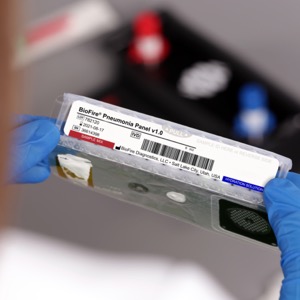
Depending on the clinical history and radiological findings, the diagnostic work-up can involve the need for multiple analytical modalities (culture, serological, microbial antigen, molecular) and specimen types (sputum, bronchoalveolar lavage fluid [BAL], blood, even urine). In fact, for 1 group of LRI–fungal pulmonary infections–the complementary diagnostic modalities are notably different (and will be a dedicated topic of a future IDSE review, given their breadth). Against this complex backdrop, is it possible for a unified laboratory approach to capture the breadth of potential causative agents? One IVD assay, which has now been on the US market for several years, expands the paradigm of syndromic PCR testing to sputum and BAL specimens.44,45 The FilmArray Pneumonia Panel includes targets for most of the same URI pathogens of URI panels (Table 1), but likewise incorporates various bacterial targets whose molecular detection is reported in a semiquantitative manner (including ventilator-associated pathogens). This practice emulates semiquantitative reporting of bacterial cultures of respiratory specimens. Moreover, the panel includes targets for several notable molecular determinants of antibiotic resistance, including plasmid-mediated beta-lactam resistance in gram-negative species and the methicillin-resistance phenotype of Staphylococcus aureus. Although traditional culture and isolate-specific susceptibility testing remain the gold standard, this approach can provide rapid data on the presence of pneumonia-associated pathogens and the potential for antibiotic resistance. The application of other syndromic PCR panels to lower respiratory specimens has also been described, although they do not carry IVD status for these purposes in the United States.18,46 Also, of note, molecular testing is not currently recommended as a surrogate for traditional cultures in the monitoring of respiratory specimens from cystic fibrosis patients, outside of the research context.47

Although syndromic PCR panels have broad analytical power, they are still only able to identify pathogens/strains that are covered by their fixed amplification reactions. To enhance this scope even further, additional molecular technologies have garnered significant attention in recent years. Foremost among these advances is the utilization of metagenomic sequencing to simultaneously detect and characterize any microbial nucleic acid present within a diagnostic specimen.48,49 This strategy harnesses the massive sequencing depth of next-generation sequencing (NGS) technologies, which enable millions to billions of individual nucleotide fragments to be sequenced in a single run.50 NGS makes it possible to sequence the DNA/RNA extracted from a human sample to an incredible depth. Even if a vast majority of these readings are patient-derived, these human DNA signatures can be filtered out after sequencing through bioinformatic analysis. It is thus possible to not only identify the remaining “needle in the haystack” microbial results, but to similarly predict the microbial source (bacteria, virus, fungus, or parasite) through homology with curated databases. The net result is an ability to identify the potential pathogens present—whether common or esoteric—in an agnostic manner. Diagnostic metagenomics has gained increased traction for several specimen types, and reference laboratory options are available in the United States that focus on cerebrospinal fluid (University of California, San Francisco and Mayo Clinic)51 and blood (Karius Diagnostics).52 Whereas the former is employed for suspected meningoencephalitis, the latter is used to characterize circulating microbial nucleic acid that can originate from infected foci throughout the body (including the lungs). The analytic/informatic details of this process are complex and beyond the scope of the current article, although they have been covered in detail.53,54
Beyond CSF and blood, respiratory specimens also represent an attractive target for metagenomic sequencing, for the broadest possible diagnosis of pneumonia pathogens.55 Granted, the respiratory tract can present additional challenges for clinical metagenomics. They include the fact that the respiratory tract is physiologically colonized with its own microbiome, with greater commensal bacterial burden if the upper respiratory mucosa is represented in a specimen (intentionally or unintentionally). Nevertheless, a growing body of diagnostic literature has demonstrated the technology’s potential power, for instance,56,57 among others, including its ability to quantify pathogen burden (via sequencing depth)58,59 and to characterize antimicrobial resistance genes.60 These techniques have frequently employed additional target enhancement technology, in which a massive variety of pathogen-directed nucleotide capture probes (including commercially available kits) are used to increase the relative detection of such readings from complex respiratory samples (with host depletion).61,62
Respiratory metagenomic pipelines have been validated and applied to patient care across a growing number of academic health care institutions worldwide,69,63 although reference laboratory options in the United States remain limited. (Metagenomic BAL testing was previously available at 1 major US reference lab, although it has been discontinued). Looking ahead, the further growth and wider availability of such testing hinges on several factors, including questions that go beyond the technology itself. As is often the case for new technologies, part of the challenge involves deciphering proper utilization to maximize clinical outcomes. Key issues include defining the appropriate patient populations for such testing, as well as combining or not combining it with more traditional diagnostics. A common emphasis for clinical metagenomics is that proper deployment will require a systematic approach on an institutional level, with involvement by stakeholders that include infectious diseases, clinical microbiology, intensive care, hospital epidemiology, and informatics.64 On a practical level, institutional buy-in is also required for financial reasons, especially given the mechanisms of laboratory reimbursement in the United States. Various inpatient scenarios (including ICU care) are among the most attractive targets for clinical metagenomics, although (as mentioned above) these are also patients for whom whole laboratory testing is not directly billed. It is hoped that prudent implementation of metagenomic pipelines could lead to overall cost savings, but it is likely that unreimbursed laboratory expenditures would increase.
Echoing another general theme, the desire for respiratory metagenomics has included an emphasis on minimizing turnaround time, especially in light of high-risk patient populations. On a methodological level, the advent of rapid NGS technology that employs direct nucleotide biosensing (ie, Nanopore)65 raises hopes for diagnostic sequencing that might fall under an RDT paradigm.66 Logistically, though, the desire for speed with metagenomic data also raised questions about the location for such testing—that is, local in-house testing at an institution versus send-out testing. While reference testing does not preclude the possibility of (relatively) brief turnaround times, it does add major pre-analytic variables to the process. So ideally, if respiratory metagenomics were a test offered by individual medical centers, what would the implications be for broad availability across different institutions? In fact, this brings the discussion to a critical question of how such testing would be launched under the requirements of the federal CLIA regulations.
The preceding discussion has focused on respiratory assays with IVD status from the FDA; the performance of such tests has been defined through formal trials, and accredited laboratories can implement them without extensive on-site validation. Alternatively, it is possible for individual laboratories (hospital-based or reference) to design, validate, and launch on-site–specific diagnostic assays under the paradigm of laboratory-developed tests (LDTs). All metagenomic testing launched to date has fallen under this mechanism, although it is a paradigm that admits significant potential change (and uncertainty) in the United States. After many years of refraining from direct oversight of LDTs (termed “enforcement discretion”), the FDA published a final rule in 2024 that it plans a phased-in process of direct review for new LDTs at individual labs.67 While this regulation included several scenarios for continued enforcement discretion—including tests completely internal to a given health system—this new model for LDT implementation stands to add significant layers to the flexibility by which clinical testing can be developed at a local level. At the same time, despite the sea change this LDT rule represents, uncertainty remains about whether additional chapters to the story are yet to be written. At present, the rule is being challenged by pending litigation,68 and it may likewise be affected by changing political currents. It is worth noting, especially in light of this year’s presidential inauguration, that the posture of the Department of Health and Human Services toward FDA oversight of LDTs already shifted once between the first Trump and the Biden administrations.
Conclusions. Respiratory infections continue to rank among the most prevalent indications for testing in clinical microbiology, in the setting of both routine and specialized medical care. This dynamic is not surprising given the outsized role these infections play in public health, together with the complex host–pathogen landscape of the human respiratory tract. Needless to say, a universal hope is that the unprecedented events of the early 2020s are not repeated in the foreseeable future. However, even in the current epidemiological status quo, respiratory diagnostics look to maintain a position of high clinical prominence. Moreover, what represents a source of great excitement in the field also presents a concomitant challenge: Diagnostic technologies can facilitate more sensitive and comprehensive analyses than ever before, but to the point that the technology itself is emerging more rapidly than clear insight on its optimal utilization (or even its regulatory framework). In this context, it would seem that the story of ARI testing is one that will continue to require frequent updating.

References
- Schmitz JE. Diagnostic lessons learned from the COVID-19 pandemic beyond SARS-CoV-2. Infectious Disease Special Edition. 2023;27(6):42-46.
- Schmitz JE. The need for speed: how emerging rapid diagnostics are transforming infectious disease care. Infectious Disease Special Edition. 2024;28(1):41-46.
- Schmitz JE. Rapid molecular diagnostics for respiratory tract infections: a conceptual and technical overview. Infectious Disease Special Edition. 2024;28(4):41-48.
- Kralik P, Ricchi M. A basic guide to real time PCR in microbial diagnostics: definitions, parameters, and everything. Front Microbiol. 2017;8:108.
- Schmitz JE, Stratton CW, Persing DH, et al. Forty years of molecular diagnostics for infectious diseases. J Clin Microbiol. 2022;60(10):e0244621.
- Morrison LE. Basic principles of fluorescence and energy transfer applied to real-time PCR. Mol Biotechnol. 2010;44(2):168-176.
- Turner SA, Tsongalis GJ. Automation of the molecular diagnostic laboratory. In: Coleman WB, Tsongalis GJ, eds. Diagnostic Molecular Pathology. Academic Press; 2017:35-46.
- Beal SG, Assarzadegan N, Rand KH. Sample-to-result molecular infectious disease assays: clinical implications, limitations and potential. Expert Rev Mol Diagn. 2016;16(3):323-341.
- Cobb B, Simon CO, Stramer SL, et al. The cobas 6800/8800 system: a new era of automation in molecular diagnostics. Expert Rev Mol Diagn. 2017;17(2):167-180.
- Zhen W, Manji R, Smith E, et al. Evaluation of the Alinity m Resp-4-Plex assay for the detection of severe acute respiratory syndrome coronavirus 2, influenza A virus, influenza B virus, and respiratory syncytial virus. Microbiol Spectr. 2022;10(1):e0109021.
- Paradis S, Van Der Pol B, Kaatz NA, e tal. Clinical performance of the BD Respiratory Viral Panel for BD MAX System in detecting SARS-CoV-2, influenza A and B, and respiratory syncytial virus. Diagn Microbiol Infect Dis. 2024;110(3):116482.
- Sasidharan A, Selvarangan R, Konrad K, et al. Multi-center clinical evaluation of the Panther Fusion SARS-CoV-2/Flu A/B/RSV assay in nasopharyngeal swab specimens from symptomatic individuals. J Clin Microbiol. 2023;61(11):e0082723.
- Ramanan P, Bryson AL, Binnicker MJ, et al. Syndromic panel-based testing in clinical microbiology. Clin Microbiol Rev. 2017;31(1):e00024-17.
- Babady NE. The FilmArray respiratory panel: an automated, broadly multiplexed molecular test for the rapid and accurate detection of respiratory pathogens. Expert Rev Mol Diagn. 2013;13(8):779-788.
- Poritz MA, Blaschke AJ, Byington CL, et al. FilmArray, an automated nested multiplex PCR system for multi-pathogen detection: development and application to respiratory tract infection. PLoS One. 2011;6(10):e26047. Erratum in: PLoS One. 2011;6(11).
- Schmitz JE, Tang YW. The GenMark ePlex: another weapon in the syndromic arsenal for infection diagnosis. Future Microbiol. 2018;13(16):1697-1708.
- Huang HS, Tsai CL, Chang J, et al. Multiplex PCR system for the rapid diagnosis of respiratory virus infection: systematic review and meta-analysis. Clin Microbiol Infect. 2018;24(10):1055-1063.
- Caza M, Hayman J, Jassem A, et al. Evaluation of the QIAstat-Dx Respiratory SARS-CoV-2 Panel for detection of pathogens in nasopharyngeal and lower respiratory tract specimens. Diagn Microbiol Infect Dis. 2024;110(1):116368.
- FDA. Biofire Spotfire Respiratory/Sore Throat (R/ST) Panel 510(k) Substantial Equivalence Decision Summary. www.accessdata.fda.gov/cdrh_docs/reviews/K232954.pdf
- FDA. Biofire Spotfire Respiratory ® Panel Mini Panel. 510(k) Substantial Equivalence Decision Summary. www.accessdata.fda.gov/cdrh_docs/reviews/K230719.pdf
- FDA. QIAstat-Dx Respiratory Panel Mini. 510(k) Substantial Equivalence Decision Summary. www.accessdata.fda.gov/cdrh_docs/reviews/K242353.pdf
- FDA. Liaison Plex Respiratory Flex Assay. 510(k) Substantial Equivalence Decision Summary. www.accessdata.fda.gov/cdrh_docs/reviews/K233410.pdf
- Singh HK, Claeys KC, Advani SD, et al. Diagnostic stewardship to improve patient outcomes and healthcare-associated infection (HAI) metrics. Infect Control Hosp Epidemiol. 2024;45(4):405-411.
- Hitchcock MM, Gomez CA, Pozdol J, et al. Effective approaches to diagnostic stewardship of syndromic molecular panels. J Appl Lab Med. 2024;9(1):104-115.
- Sireci AN, Patel JL, Joseph L. Molecular pathology economics 101: an overview of molecular diagnostics coding, coverage, and reimbursement: a report of the Association for Molecular Pathology. J Mol Diagn. 2020;22(8):975-993.
- Centers for Medicare & Medicaid Services - Medicare Coverage Database. MolDX: Molecular Syndromic Panels for Infectious Disease Pathogen Identification Testing. Local Coverage Determination L38988. www.cms.gov/medicare-coverage-database/view/lcd.aspx?lcdId=38988
- Mihailovic N, Kocic S, Jakovljevic M. Review of diagnosis-related group-based financing of hospital care. Health Serv Res Manag Epidemiol. 2016;3:2333392816647892.
- CDC. H5 Bird Flu: Current situation. https://www.cdc.gov/bird-flu/situation-summary/index.html
- CDC. FluView: A weekly influenza surveillance report prepared by the Influenza Division. www.cdc.gov/fluview/index.html
- CDC Health Alert Network. Accelerated subtyping of influenza A in hospitalized patients. CDCHAN-00520. 1-26-2025. www.cdc.gov/han/2025/han00520.html
- Xiang Z, Wang J. Enterovirus D68 and human respiratory infections. Semin Respir Crit Care Med. 2016;37:578-585.
- Gilrane VL, Zhuge J, Huang W, et al. Biennial upsurge and molecular epidemiology of enterovirus D68 infection in New York, USA, 2014 to 2018. J Clin Microbiol. 2020;58(9):e00284-20.
- Ng TFF, Nix WA, Rogers SL, et al. Type-specific EV-D68 real-time RT-PCR assay for the detection of all extant enterovirus D68 strains. bioRxiv. 2022;10.06.511205.
- MacNeil KM, Dodge MJ, Evans AM, et al. Adenoviruses in medicine: innocuous pathogen, predator, or partner. Trends Mol Med. 2023;29(1):4-19.
- Scott MK, Chommanard C, Lu X, et al. Human adenovirus associated with severe respiratory infection, Oregon, USA, 2013-2014. Emerg Infect Dis. 2016;22(6):1044-1051.
- Mi Z, Butt AM, An X, et al. Genomic analysis of HAdV-B14 isolate from the outbreak of febrile respiratory infection in China. Genomics. 2013;102(5-6):448-455.
- Pfortmueller CA, Barbani MT, Schefold JC, et al. Severe acute respiratory distress syndrome (ARDS) induced by human adenovirus B21: report on 2 cases and literature review. J Crit Care. 2019;51:99-104.
- Abdirizak F, Winn AK, Parikh R, et al. Surveillance of human adenovirus types and the impact of the COVID-19 pandemic on reporting—United States, 2017-2023. MMWR Morb Mortal Wkly Rep. 2024;73(50):1136-1141.
- Waites KB, Xiao L, Liu Y, et al. Mycoplasma pneumoniae from the respiratory tract and beyond. Clin Microbiol Rev. 2017;30(3):747-809.
- Blasi F, Tarsia P, Aliberti S. Chlamydophila pneumoniae. Clin Microbiol Infect. 2009;15(1):29-35.
- Nieves DJ, Heininger U. Bordetella pertussis. Microbiol Spectr. 2016;4. doi:10.1128/microbiolspec.ei10-0008-2015.
- Dalpke A, Zimmermann S, Schnitzler P. Underdiagnosing of Mycoplasma pneumoniae infections as revealed by use of a respiratory multiplex PCR panel. Diagn Microbiol Infect Dis. 2016;86(1):50-52.
- Yaari E, Yafe-Zimerman Y, Schwartz SB. Clinical manifestations of Bordetella pertussis infection in immunized children and young adults. Chest. 1999;115(5):1254-1258.
- Webber DM, Wallace MA, Burnham CA, et al. Evaluation of the BioFire FilmArray Pneumonia Panel for detection of viral and bacterial pathogens in lower respiratory tract specimens in the setting of a tertiary care academic medical center. J Clin Microbiol. 2020;58(7):e00343-20.
- Murphy CN, Fowler R, Balada-Llasat JM, et al. Multicenter evaluation of the BioFire FilmArray Pneumonia/Pneumonia Plus Panel for detection and quantification of agents of lower respiratory tract infection. J Clin Microbiol. 2020;58(7):e00128-20.
- Jarrett J, Uhteg K, Forman MS, et al. Clinical performance of the GenMark Dx ePlex respiratory pathogen panels for upper and lower respiratory tract infections. J Clin Virol. 2021;135:104737.
- Saiman L, Waters V, LiPuma JJ, et al. Practical guidance for clinical microbiology laboratories: updated guidance for processing respiratory tract samples from people with cystic fibrosis. Clin Microbiol Rev. 2024;37(3):e0021521.
- Chiu CY, Miller SA. Clinical metagenomics. Nat Rev Genet. 2019;20(6):341-355.
- Gu W, Miller S, Chiu CY. Clinical metagenomic next-ggeneration sequencing for pathogen detection. Annu Rev Pathol. 2019;14:319-338.
- Satam H, Joshi K, Mangrolia U, et al. Next-generation sequencing technology: current trends and advancements. Biology (Basel). 2023;12(7):997.
- Benoit P, Brazer N, de Lorenzi-Tognon M, et al. Seven-year performance of a clinical metagenomic next-generation sequencing test for diagnosis of central nervous system infections. Nat Med. 2024;30(12):3522-3533.
- Blauwkamp TA, Thair S, Rosen MJ, et al. Analytical and clinical validation of a microbial cell-free DNA sequencing test for infectious disease. Nat Microbiol. 2019;4(4):663-674.
- Schlaberg R, Chiu CY, Miller S, et al. Validation of metagenomic next-generation sequencing tests for universal pathogen detection. Arch Pathol Lab Med. 2017;141(6):776-786.
- Gauthier NPG, Chan W, Locher K, et al. Validation of an automated, end-to-end metagenomic sequencing assay for agnostic detection of respiratory viruses. J Infect Dis. 2024;230(6):e1245-e1253.
- Diao Z, Han D, Zhang R, et al. Metagenomics next-generation sequencing tests take the stage in the diagnosis of lower respiratory tract infections. J Adv Res. 2021;38:201-212.
- Gaston DC, Miller HB, Fissel JA, et al. Evaluation of metagenomic and targeted next-generation sequencing workflows for detection of respiratory pathogens from bronchoalveolar lavage fluid specimens. J Clin Microbiol. 2022;60(7):e0052622.
- Zhou H, Larkin PMK, Zhao D, et al. Clinical impact of metagenomic next-generation sequencing of bronchoalveolar lavage in the diagnosis and management of pneumonia: a multicenter prospective observational study. J Mol Diagn. 2021;23(10):1259-1268.
- Hauser S, Lazarevic V, Tournoud M, et al. A metagenomics method for the quantitative detection of bacterial pathogens causing hospital-associated and ventilator-associated pneumonia. Microbiol Spectr. 2023;11(6):e0129423.
- Tan JK, Servellita V, Stryke D, et al. Laboratory validation of a clinical metagenomic next-generation sequencing assay for respiratory virus detection and discovery. Nat Commun. 2024;15(1):9016.
- Serpa PH, Deng X, Abdelghany M, et al. Metagenomic prediction of antimicrobial resistance in critically ill patients with lower respiratory tract infections. Genome Med. 2022;14(1):74.
- Hsu W-Y, Kao T-W, Cho H-C, et al. Performance of a hybrid capture-based target enrichment next-generation sequencing for the identification of respiratory pathogens and resistance-associated genes in patients with severe pneumonia. Microbiol Spectr. 2025;13(1):e0213024.
- Mourik K, Sidorov I, Carbo EC, et al. Comparison of the performance of two targeted metagenomic virus capture probe-based methods using reference control materials and clinical samples. J Clin Microbiol. 2024;62(6):e0034524.
- Charalampous T, Alcolea-Medina A, Snell LB, et al. Routine metagenomics service for ICU patients with respiratory infection. Am J Respir Crit Care Med. 2024;209(2):164-174.
- Edgeworth JD. Respiratory metagenomics: route to routine service. Curr Opin Infect Dis. 2023;36(2):115-123.
- Petersen LM, Martin IW, Moschetti WE, et al. Third-generation sequencing in the clinical laboratory: exploring the advantages and challenges of nanopore sequencing. J Clin Microbiol. 2019;58(1):e01315-19.
- Charalampous T, Kay GL, Richardson H, et al. Nanopore metagenomics enables rapid clinical diagnosis of bacterial lower respiratory infection. Nat Biotechnol. 2019;37:783-792.
- Department of Health and Human Services. 89 FR 37286. https://bit.ly/40IYsQE-IDSE
- Association for Molecular Pathology. Association for Molecular Pathology files lawsuit against FDA to challenge final rule on regulation for laboratory developed testing procedures. 8-19-2024. bit.ly/3WvlcRM-IDSE
About the author:

Copyright © 2025 McMahon Publishing, 545 West 45th Street, New York, NY 10036. Printed in the USA. All rights reserved, including the right of reproduction, in whole or in part, in any form.
Download to read this article in PDF document: The Cutting Edge of Respiratory Diagnostics: An Ever-Evolving Laboratory Arsenal
