By Ethan Covey
Two cases of encephalomyelitis associated with acute monkeypox virus (MPXV) infection—identified this summer—are being tracked by public health officials.
While rare, neurologic complications of acute MPXV have been previously reported, and officials stress that healthcare professionals should educate themselves on the risks (MMWR Morb Mortal Wkly Rep. 2022 Sep 13. doi:10.15585/mmwr.mm7138e1).
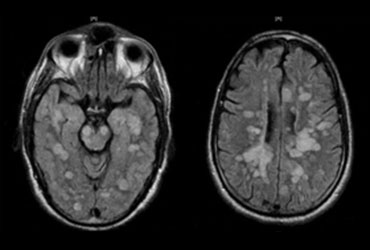
“This shows that monkeypox, in very rare cases, can cause a neurologic syndrome,” said investigator Daniel M. Pastula, MD, an associate professor of neurology, infectious disease and epidemiology at the University of Colorado School of Medicine, in Aurora. “We don’t know whether the cases were caused by a direct viral invasion of the central nervous system or were triggered by the systemic MPXV infection.”
The cases involved two otherwise healthy gay men from different jurisdictions—Colorado and the District of Columbia—both in their 30s, who had an MPXV infection with the typical skin lesions and then developed encephalitis and myelitis.
Both patients had confirmed systemic MPXV infections with encephalomyelitis appearing within five to nine days of onset of illness, before eventually improving following treatment with plasma exchange.
While these cases are concerning and highlight the need for additional research, Dr. Pastula noted that the risk remains very small.
“This is incredibly rare,” he said. “We have over 20,000 cases of MPXV in the U.S. and we found two.”
For people who are at high risk for MPXV infection, Dr. Pastula stressed the importance of monkeypox vaccination as well as the use of educational resources such as CDC informational pages dedicated to the infection.
“We would expect that the monkeypox vaccine would reduce the risk of severe disease such as these,” he said.