By IDSE News Staff
The Maryland Department of Health and the CDC confirmed a single case of monkeypox infection in a Mary-land resident who recently returned from Nigeria. The person presented with mild symptoms, is currently recovering in isolation and is not hospitalized.
This is the second case reported in the United States this year. A case was reported in Texas in July.
“Public health authorities have identified and continue to follow up with those who may have been in con-tact with the diagnosed individual,“ said Jinlene Chan, MD, the MDH deputy secretary for public health.
Late yesterday, CDC laboratory confirmed the the infection matches the strain that has been re-emerging in Nigeria since 2017.
Monkeypox virus is in the same family of viruses as smallpox but generally causes a milder infection. It can be spread among people through direct contact with skin lesions or body fluids, or contaminated materials such as clothing or linens. It can also be spread through large respiratory droplets, but generally cannot travel more than a few feet, and prolonged face-to-face contact is required.
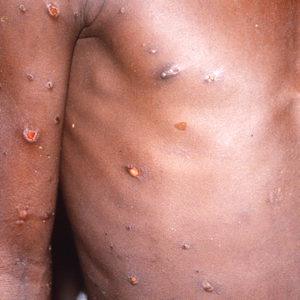
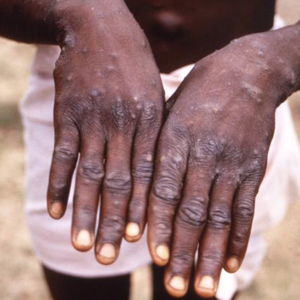
Illness typically begins with flu-like symptoms and swelling of the lymph nodes, progressing to a wide-spread rash on the face and body. Most infections last two to four weeks. The people identified as having been potentially exposed to this case will be monitored for symptoms of monkeypox for 21 days after expo-sure, the health department said.
Human monkeypox infections primarily occur in central and western Africa, and only rarely have been documented outside of Africa. Although all strains can cause infection, those circulating in western Africa, where Nigeria is located, generally cause less severe disease.
CDC asked U.S. health care providers to be vigilant to poxvirus-like lesions, particularly among travelers re-turning from Nigeria. Because of the health risks associated with a single case of monkeypox, clinicians should report suspected cases immediately to state or local public health authorities regardless of whether they are also exploring other potential diagnoses.
Travelers returning from central or western Africa are advised to notify their health care provider if they develop symptoms of monkeypox, particularly flu-like illness, swollen lymph nodes or rash. Clinicians are urged to maintain a high index of suspicion for clinically compatible illness.
However, travelers on the flight to the United States were required to wear masks on the plane as well as in the U.S. airports due to the ongoing COVID-19 pandemic. Therefore, the CDC believes the risk of spread of Monkeypox virus via respiratory droplets to others on the planes is low. The CDC is working with airline and state and local health partners, to assess those who may have had close contact with the traveler on the plane and after his or her arrival in the United States.
“Our response in close coordination with CDC officials demonstrates the importance of maintaining a strong public health infrastructure,” added Dr. Chan.
Additional details about human monkeypox cases are available on the CDC’s website.