

By Ethan Covey
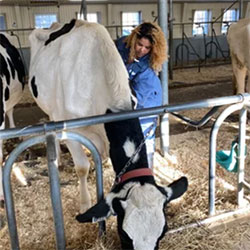
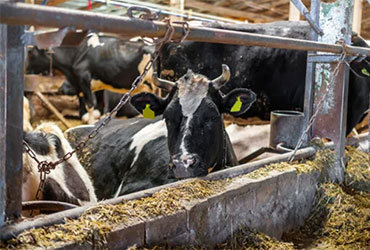
All but one case of people infected with highly pathogenic avian influenza (HPAI) A(H5N1) virus in California have occurred in dairy workers who were exposed to sick cows, according to a new CDC report.
Findings from the report highlight the continued need for investigating influenza-like illness or conjunctivitis in workers who have occupational exposure to animals infected with the HPAI A(H5N1) virus (MMWR Morb Mortal Wkly Rep 2025;74[8]:127-133).
The first human case of HPAI A(H5N1) virus in California was identified in September 2024. From Sept. 30 through Dec. 24, 2024, 38 people in the state received a positive test for the virus. Of these, 37 were determined to be dairy farm workers who were confirmed to have had contact with infected cows.
The final case occurred in a person younger than 18 years of age who had an undetermined exposure. This case represents the first pediatric case of HPAI A(H5N1) infection identified in the United States. The child had mild respiratory symptoms and otitis media, was prescribed oseltamivir, and recovered quickly.
“These findings reinforce individuals with occupational exposure to infected or potentially infected animals are at increased risk for infection and should follow safety measures, including proper PPE [personal protective equipment] use,” Paul Prince, a CDC spokesperson, told Infectious Disease Special Edition.
Mr. Prince stressed that the threat of HPAI A(H5N1) to individuals in the United States remains minimal.
“There is no known human-to-human transmission identified in the U.S., and the overall immediate risk to the public remains low,” he said. “Individuals exposed to infected animals or certain environments—such as people who have occupational or recreational exposures—are at increased risk of infection.”
The sources reported no relevant financial disclosures.