






Two common drugs used by veterinarians to combat parasites may be effective against bedbugs, with one showing especially strong potential, according to a study from North Carolina State University that examined the drugs in the context of controlling resurgent bedbug populations on poultry farms.
In a collaboration between entomologists and veterinary scientists from NC State’s College of Veterinary Medicine, researchers tested bedbug mortality rates in different experiments: after the pests consumed blood mixed with fluralaner or ivermectin in vitro and after bedbugs bit and fed off chickens that had either ingested or received topical treatment with the drugs (Parasites Vectors 2022 Nov 17. doi10.1186/s13071-022-05555-6).
Fluralaner is a relatively new, longer lasting antiparasitic drug used mostly for companion animals; however, Europe and Australia have approved its use for the poultry industry. In addition to veterinary medicine, ivermectin effectively serves antiparasitic uses in people, particularly in Africa.
Both drugs showed powerful efficacy in vitro, killing most bedbugs, although fluralaner was more effective against bedbugs that showed resistance to common insecticides.
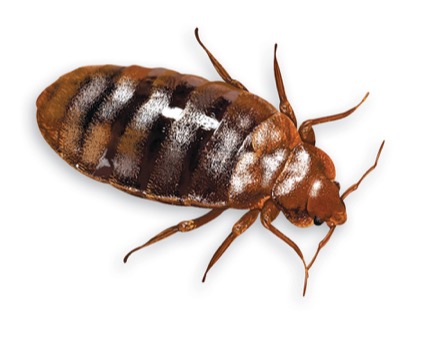
“The drugs affect receptors in the insect’s nervous system,” said Coby Schal, PhD, the Blanton J. Whitmire Distinguished Professor of Entomology at NC State, in Raleigh.
Fluralaner was highly effective at killing bedbugs that fed on chickens dosed with the drug, but ivermectin was not. The researchers said that chickens could be quickly metabolizing or clearing ivermectin from their systems.
“The bedbug is a globally important insect,” Dr. Schal said. “The last few decades have seen a resurgence of bedbugs in homes, and now we’re seeing bedbugs return to poultry farms.”
Dosing fluralaner in poultry drinking water could serve as an effective measure against bedbugs. A combination of monitoring, education, heat treatments and fluralaner could hold the key to eradicating bedbugs from infested poultry farms, they added.

This article is from the December 2022 print issue.